
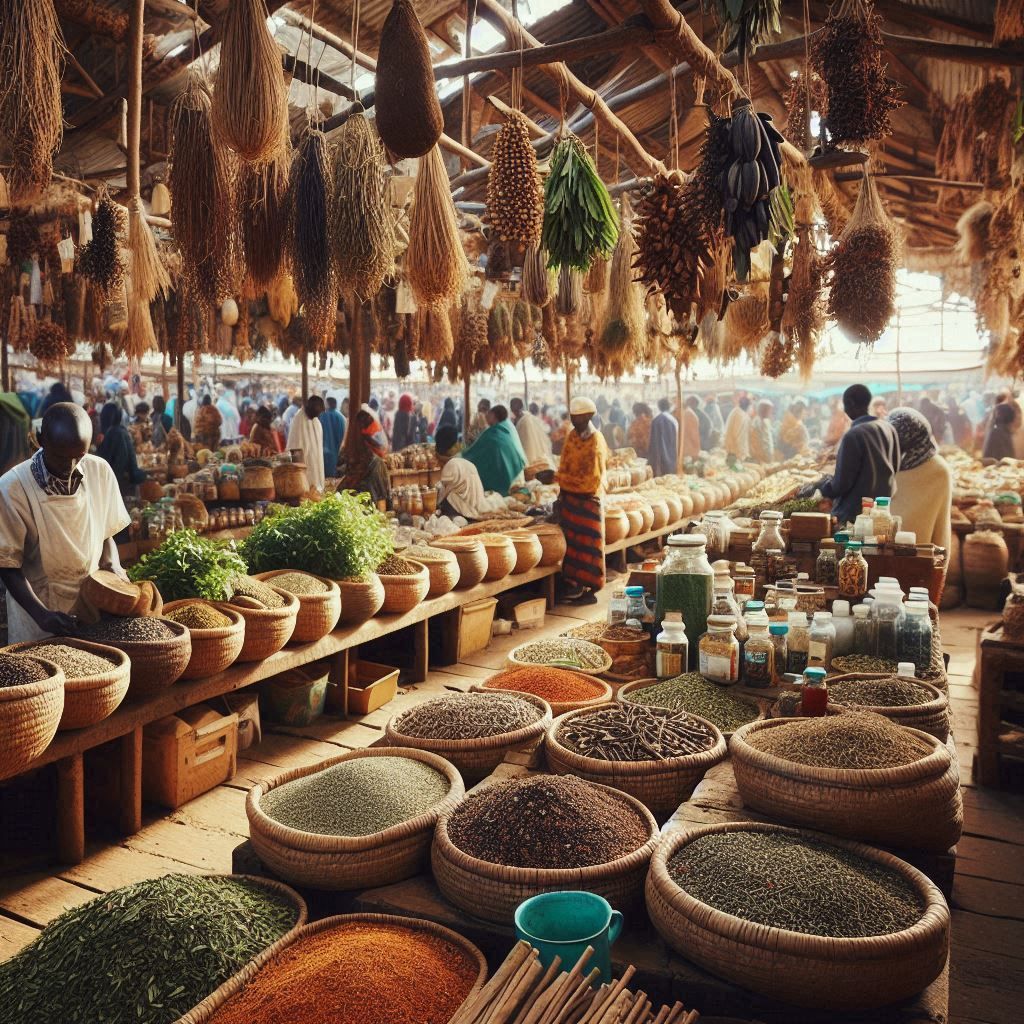
Kenya, a land of breathtaking landscapes and rich cultural heritage, is also home to a vibrant tradition of herbal medicine. The country’s herbal markets are bustling hubs of activity, where the air is thick with the scent of dried herbs, spices, and roots. For those seeking natural remedies or simply curious about the local flora, these markets offer a treasure trove of knowledge and experience. Join us on an exciting journey through Kenya’s herbal markets, where we’ll explore what to look for, the benefits of herbal remedies, and some must-try products.
The Allure of Herbal Markets
Herbal markets in Kenya are more than just places to buy herbs; they are cultural landmarks that reflect the country’s deep-rooted traditions in healing and wellness. From the vibrant stalls of Nairobi’s Kazuri Beads Market to the bustling streets of Mombasa, these markets are alive with the sounds of vendors calling out their wares and the chatter of locals discussing remedies.
Why Herbal Remedies?
Herbal remedies have been used for centuries in Kenya, often passed down through generations. Many Kenyans still rely on these natural solutions for common ailments, believing in their efficacy and the holistic approach they offer. Unlike conventional medicine, which often focuses on treating symptoms, herbal remedies aim to restore balance and promote overall well-being.
What to Look For in Kenya’s Herbal Markets
1. Dried Herbs and Leaves
One of the first things you’ll notice in a Kenyan herbal market is the abundance of dried herbs and leaves. These are often sold in bulk, allowing you to purchase just the right amount for your needs. Some popular herbs to look for include:
– Moringa: Known as the “miracle tree,” moringa leaves are packed with nutrients and are believed to boost energy, improve digestion, and support immune function. You can find moringa powder, capsules, or dried leaves.
– Sage: Often used for its anti-inflammatory properties, sage is a versatile herb that can be brewed into tea or used in cooking. It’s also believed to enhance memory and cognitive function.
– Lemongrass: This fragrant herb is not only a staple in Kenyan cuisine but is also known for its calming effects. Lemongrass tea is a popular remedy for anxiety and digestive issues.
2. Roots and Tubers
Roots and tubers are another essential component of herbal medicine in Kenya. They are often used to create potent tinctures or decoctions. Some notable examples include:
– Ginger: Widely recognized for its anti-nausea and anti-inflammatory properties, ginger is a must-have in any herbal market. Look for fresh ginger roots or dried ginger powder.
– Turmeric: This vibrant yellow root is celebrated for its powerful antioxidant and anti-inflammatory effects. Turmeric can be found in various forms, including fresh, dried, or as a supplement.
– Devil’s Claw: Known for its pain-relieving properties, devil’s claw root is often used to treat arthritis and other inflammatory conditions. It’s typically available in powdered form or as capsules.
3. Essential Oils and Extracts
Essential oils and herbal extracts are increasingly popular in Kenya, thanks to their versatility and therapeutic benefits. When exploring herbal markets, keep an eye out for:
– Tea Tree Oil
: Renowned for its antibacterial and antifungal properties, tea tree oil is a must-have for skincare enthusiasts. It can be used to treat acne, dandruff, and minor cuts.
– Eucalyptus Oil: This invigorating oil is often used for respiratory issues and can be found in various forms, including pure oil and infused balms.
– Neem Oil: Known for its insect-repelling properties, neem oil is a natural remedy for skin conditions and is often used in organic gardening.
4. Herbal Teas
Herbal teas are a delightful way to experience the benefits of Kenyan herbs. Many vendors offer a variety of blends, each with its unique flavor and health benefits. Some popular herbal teas to try include:
– Hibiscus Tea: This vibrant red tea is not only visually stunning but also packed with antioxidants. It’s known to help lower blood pressure and improve heart health.
– Rooibos Tea: Originating from South Africa but popular in Kenya, rooibos tea is caffeine-free and rich in minerals. It’s often enjoyed for its soothing properties and is a great alternative to traditional black tea.
– Chamomile Tea: Renowned for its calming effects, chamomile tea is perfect for those looking to unwind after a long day. It’s often used to promote sleep and reduce anxiety.
5. Traditional Remedies
In addition to herbs and teas, many herbal markets in Kenya offer traditional remedies that have been used for generations. These can include:
– Herbal Pastes: Often made from a combination of herbs and oils, these pastes are used for various ailments, including skin conditions and muscle pain. Look for pastes containing ingredients like aloe vera, shea butter, and essential oils.
– Infused Oils: Many vendors create their own infused oils using local herbs and plants. These oils can be used for massage, skincare, or as a natural remedy for various ailments.
– Powders and Capsules: For those who prefer a more convenient option, many herbal markets offer powdered herbs and capsules. These can be easily incorporated into your daily routine for added health benefits.
Tips for Navigating Herbal Markets
1. Ask Questions
Don’t hesitate to engage with the vendors. They are often knowledgeable about the herbs they sell and can provide valuable insights into their uses and benefits. Ask about the best ways to prepare and consume the herbs, as well as any potential side effects.
2. Look for Quality
When purchasing herbs, look for vibrant colors and strong aromas. Dull colors or a lack of scent may indicate that the herbs are old or of low quality. If possible, buy from reputable vendors who can provide information about the sourcing and processing of their products.
3. Start Small
If you’re new to herbal remedies, it’s wise to start with small quantities. This allows you to experiment with different herbs and find what works best for you without committing to large amounts.
4. Keep an Open Mind
Herbal medicine is a holistic approach to health, and what works for one person may not work for another. Be open to trying different herbs and remedies, and pay attention to how your body responds.
The Cultural Significance of Herbal Markets
Herbal markets in Kenya are not just about commerce; they are a celebration of culture and tradition. Many vendors are part of a long lineage of herbalists, passing down their knowledge and skills through generations. These markets serve as community gathering places, where people come together to share stories, remedies, and experiences.
Supporting Local Communities
By purchasing herbs and remedies from local vendors, you are supporting the livelihoods of these communities. Many herbalists rely on their knowledge of traditional medicine to sustain their families, and your patronage helps preserve this invaluable cultural heritage.
Conclusion: Embrace the Herbal Journey
Exploring Kenya’s herbal markets is an exciting adventure that offers a glimpse into the country’s rich traditions and natural remedies. Whether you’re seeking relief from a specific ailment or simply curious about the local flora, these markets provide a wealth of knowledge and experience. From dried herbs and roots to essential oils and traditional remedies, there’s something for everyone in these vibrant marketplaces.
So, pack your bags, grab your camera, and embark on a journey through Kenya’s herbal markets. You’ll not only discover the wonders of herbal medicine but also connect with the heart and soul of Kenyan culture.
 The Kenyan Herbalist