
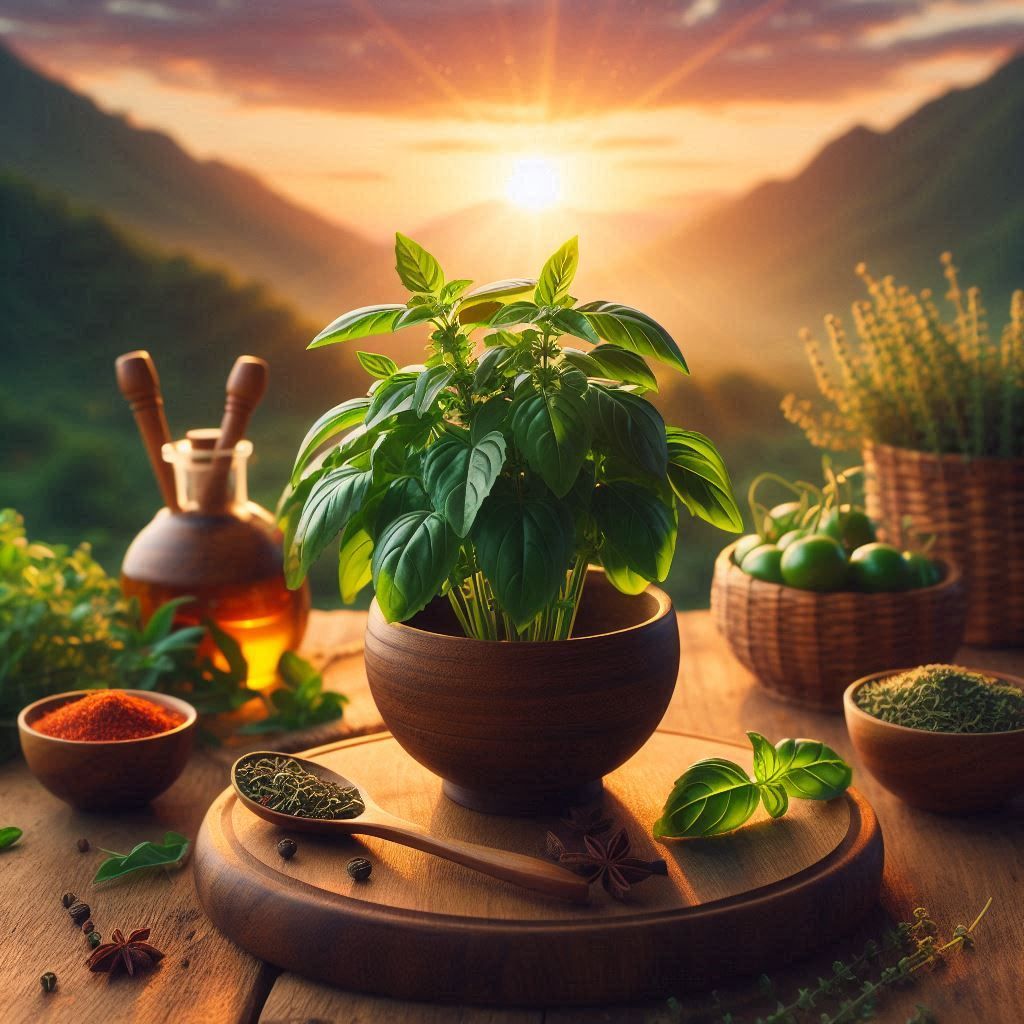
In the world of herbs, few can boast the versatility and health benefits of Ocimum gratissimum, commonly known as African basil or sweet basil. This aromatic herb, native to tropical regions of Africa and Asia, has been a staple in traditional medicine and culinary practices for centuries. In this article, we will explore the incredible properties of Ocimum gratissimum, its uses, and why it deserves a prominent place in your garden and kitchen.
What is Ocimum Gratissimum?
Ocimum gratissimum is a member of the Lamiaceae family, which includes other well-known herbs like mint, rosemary, and thyme. This perennial herb can grow up to 1 meter tall and features broad, green leaves with a distinct aroma that is often described as a mix of basil and clove. The plant produces small white or purple flowers that attract various pollinators, making it a fantastic addition to any garden.
The Rich History of Ocimum Gratissimum
The use of Ocimum gratissimum dates back to ancient times. In many African cultures, it has been revered not only for its culinary uses but also for its medicinal properties. Traditional healers have utilized this herb to treat a variety of ailments, including respiratory issues, digestive problems, and even skin conditions. Its significance in cultural practices is evident, as it is often used in rituals and ceremonies to promote well-being and ward off negative energies.
Nutritional Profile and Health Benefits
Ocimum gratissimum is not just a pretty plant; it is packed with nutrients and bioactive compounds that contribute to its health benefits. Here are some of the key components that make this herb a powerhouse of nutrition:
1. Antioxidants
One of the standout features of Ocimum gratissimum is its high antioxidant content. Antioxidants are essential for combating oxidative stress in the body, which can lead to chronic diseases such as cancer and heart disease. The herb contains flavonoids, phenolic acids, and essential oils that work together to neutralize free radicals.
2. Anti-Inflammatory Properties
Chronic inflammation is a precursor to many health issues, including arthritis and cardiovascular diseases. Studies have shown that Ocimum gratissimum possesses anti-inflammatory properties, making it a valuable addition to an anti-inflammatory diet. Regular consumption of this herb may help reduce inflammation markers in the body.
3. Antimicrobial Activity
Ocimum gratissimum has demonstrated antimicrobial properties against various pathogens, including bacteria and fungi. This makes it a natural choice for promoting oral health and preventing infections. In traditional medicine, it has been used to treat wounds and skin infections, showcasing its potential as a natural antiseptic.
4. Digestive Health
If you struggle with digestive issues, Ocimum gratissimum may be your new best friend. The herb has been traditionally used to alleviate symptoms of indigestion, bloating, and gas. Its carminative properties help soothe the digestive tract, promoting overall gut health.
5. Stress Relief and Mental Clarity
Incorporating Ocimum gratissimum into your daily routine may also help reduce stress and improve mental clarity. The herb is believed to have adaptogenic properties, which means it can help the body adapt to stressors and promote a sense of calm. Whether brewed as a tea or used in cooking, it can be a delightful way to unwind after a long day.
Culinary Uses of Ocimum Gratissimum
The culinary applications of Ocimum gratissimum are as diverse as its health benefits. Its unique flavor profile, which combines sweet and spicy notes, makes it a fantastic addition to various dishes. Here are some exciting ways to incorporate this herb into your cooking:
1. Flavorful Soups and Stews
Add a handful of fresh Ocimum gratissimum leaves to your favorite soups and stews for an aromatic twist. The herb pairs beautifully with tomatoes, lentils, and beans, enhancing the overall flavor of the dish. Try it in a traditional African pepper soup for an authentic experience.
2. Fresh Salads
Chop fresh Ocimum gratissimum leaves and toss them into salads for a burst of flavor. The herb complements ingredients like cucumbers, tomatoes, and avocados, adding a refreshing touch. Drizzle with olive oil and lemon juice for a simple yet delicious dressing.
3. Herbal Teas
Brewing Ocimum gratissimum leaves into a tea is a delightful way to enjoy its health benefits. Simply steep a few leaves in hot water for 5-10 minutes, and enjoy a soothing cup of herbal tea. You can enhance the flavor by adding honey or lemon.
4. Marinades and Dressings
Create a zesty marinade for grilled meats or vegetables by blending Ocimum gratissimum with garlic, olive oil, and vinegar. The herb’s unique flavor will elevate your dishes and impress your guests.
5. Infused Oils
Make your own infused oil by steeping Ocimum gratissimum leaves in olive oil. This aromatic oil can be drizzled over salads, used for cooking, or as a dipping oil for bread. It’s a simple way to add a gourmet touch to your meals.
Growing Ocimum Gratissimum
If you’re inspired to bring Ocimum gratissimum into your home, growing this herb is relatively easy. Here are some tips to help you cultivate your own African basil:
1. Choosing the Right Location
Ocimum gratissimum thrives in warm, sunny environments. Choose a location in your garden that receives at least 6-8 hours of sunlight daily. If you’re growing it indoors, place it near a south-facing window.
2. Soil Requirements
This herb prefers well-draining soil rich in organic matter. A mix of potting soil and compost works well. Ensure that the soil is slightly acidic to neutral (pH 6.0-7.0) for optimal growth.
3. Watering
While Ocimum gratissimum enjoys moisture, it’s essential to avoid overwatering. Allow the top inch of soil to dry out between waterings. During hot summer months, you may need to water more frequently.
4. Pruning
Regular pruning encourages bushier growth and prevents the plant from becoming leggy. Pinch off the tips of the stems to promote branching and increase leaf production.
5. Harvesting
You can start harvesting Ocimum gratissimum leaves once the plant is well-established. Use scissors to snip off leaves, taking care not to remove more than one-third of the plant at a time. This will ensure continued growth and a bountiful harvest.
Conclusion
Ocimum gratissimum is more than just a herb; it’s a treasure trove of health benefits and culinary possibilities. From its rich history in traditional medicine to its versatile uses in the kitchen, this herb deserves a spot in every home. Whether you’re looking to enhance your dishes or improve your well-being, Ocimum gratissimum is a fantastic choice.
So why not take the plunge? Start growing your own African basil today and unlock the myriad benefits it has to offer. Your taste buds and your health will thank you!
 The Kenyan Herbalist