
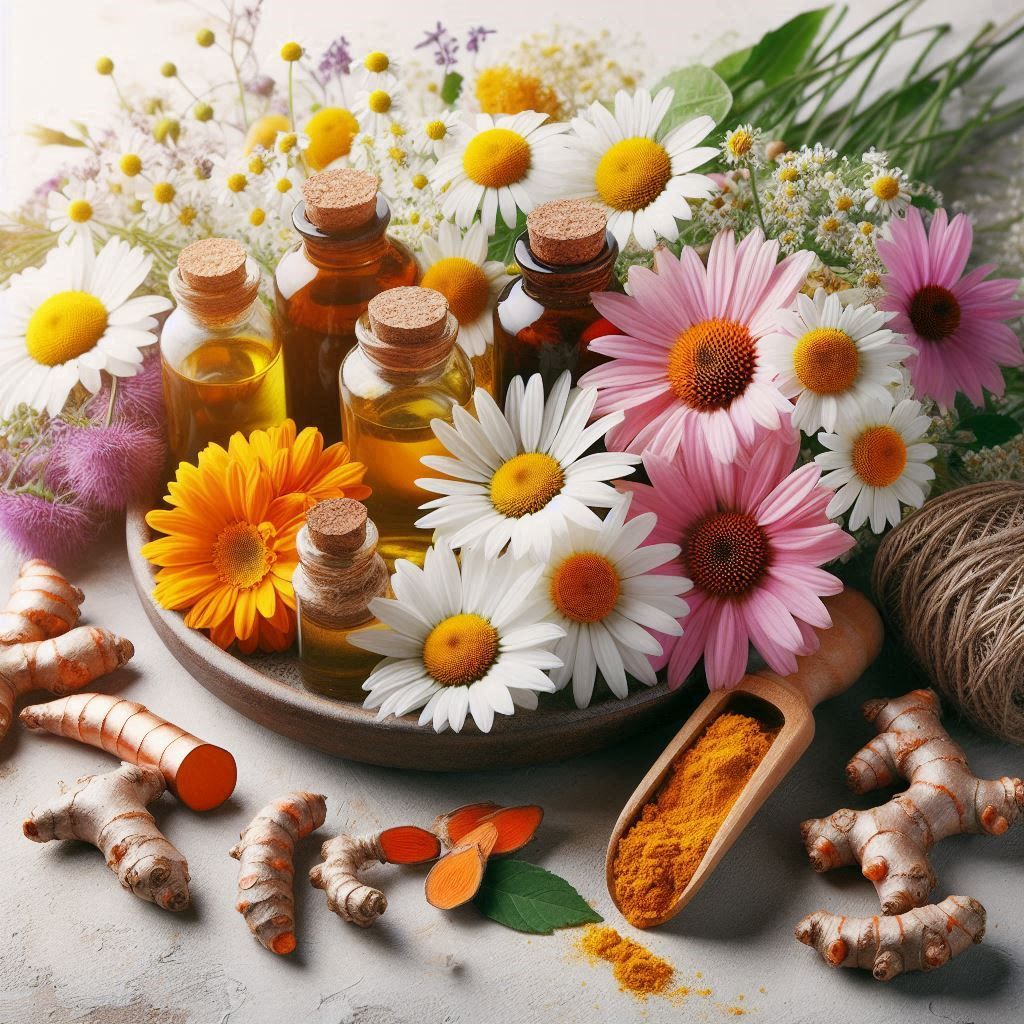
The world of healing herbs is a rich tapestry woven from centuries of tradition, cultural practices, and scientific discovery. These plants, often overlooked in our fast-paced, modern lives, hold the key to natural remedies that can enhance our well-being. From soothing teas to potent tinctures, healing herbs offer a plethora of benefits that can support our physical, mental, and emotional health. In this article, we will explore some of the most popular healing herbs, their unique properties, and how they can be incorporated into our daily lives.
Chamomile: The Calming Flower
Chamomile, a delicate flower belonging to the Asteraceae family, has been used for centuries as a natural remedy for various ailments. Its calming effects are perhaps its most well-known attribute. Chamomile tea is a popular choice for those seeking relief from anxiety and stress. The herb contains apigenin, an antioxidant that binds to specific receptors in the brain, promoting relaxation and sleepiness.
Uses of Chamomile
1. Anxiety Relief: Chamomile is often recommended for individuals dealing with anxiety disorders. Drinking chamomile tea or taking chamomile supplements can help reduce feelings of anxiety and promote a sense of calm.
2. Sleep Aid: Many people turn to chamomile before bedtime to help them unwind. Its mild sedative properties can aid in falling asleep faster and improving overall sleep quality.
3. Digestive Health: Chamomile is also known for its ability to soothe digestive issues. It can help relieve symptoms of indigestion, bloating, and gas, making it a great choice after a heavy meal.
4. Skin Care: Chamomile’s anti-inflammatory properties make it beneficial for skin conditions such as eczema and dermatitis. Chamomile-infused oils or creams can help soothe irritated skin.
How to Use Chamomile
Chamomile can be consumed in various forms, including tea, capsules, tinctures, and essential oils. To make chamomile tea, steep dried chamomile flowers in hot water for about 5-10 minutes. For a calming bedtime ritual, consider adding honey or lemon for flavor.
Echinacea: The Immune Booster
Echinacea, a flowering plant native to North America, is widely recognized for its immune-boosting properties. Traditionally used by Native American tribes for medicinal purposes, echinacea has gained popularity in modern herbal medicine as a natural remedy for colds and respiratory infections.
Uses of Echinacea
1. Cold Prevention: Echinacea is often taken at the onset of cold symptoms to reduce their duration and severity. Studies suggest that it may help stimulate the immune system, making it more effective at fighting off infections.
2. Anti-Inflammatory Effects: Echinacea contains compounds that have anti-inflammatory properties, which can be beneficial for conditions like arthritis and other inflammatory diseases.
3. Wound Healing: The herb has been used topically to promote wound healing and reduce the risk of infection. Echinacea ointments can be applied to minor cuts and scrapes.
How to Use Echinacea
Echinacea is available in various forms, including capsules, tinctures, and teas. For cold prevention, it is often recommended to take echinacea at the first sign of symptoms. Follow the dosage instructions on the product label or consult with a healthcare professional for personalized advice.
Turmeric: The Golden Spice
Turmeric, a vibrant yellow spice derived from the Curcuma longa plant, has been used in traditional medicine for centuries, particularly in Ayurvedic and Chinese medicine. Its active compound, curcumin, is responsible for many of its health benefits, particularly its powerful anti-inflammatory and antioxidant properties.
Uses of Turmeric
1. Anti-Inflammatory: Turmeric is renowned for its ability to reduce inflammation in the body. It is often used to manage conditions like arthritis, where inflammation plays a significant role in pain and discomfort.
2. Antioxidant Properties: Curcumin is a potent antioxidant that helps combat oxidative stress, which can lead to chronic diseases such as heart disease and cancer.
3. Digestive Health: Turmeric can aid digestion by stimulating bile production and reducing symptoms of bloating and gas. It is often used in traditional remedies for digestive disorders.
4. Mood Enhancement: Some studies suggest that curcumin may have mood-enhancing properties, potentially helping to alleviate symptoms of depression and anxiety.
How to Use Turmeric
Turmeric can be consumed in various forms, including powder, capsules, and teas. One popular way to enjoy turmeric is by making “golden milk,” a warm beverage made with turmeric, milk (or a milk alternative), and spices like cinnamon and ginger. To enhance absorption, consider adding black pepper, which contains piperine, a compound that increases curcumin’s bioavailability.
Lavender: The Aromatic Healer
Lavender, known for its beautiful purple flowers and soothing fragrance, is a versatile herb with a wide range of therapeutic uses. It has been used for centuries in aromatherapy and traditional medicine to promote relaxation and alleviate stress.
Uses of Lavender
1. Stress Relief: Lavender essential oil is commonly used in aromatherapy to reduce stress and anxiety. Inhaling the scent of lavender can promote relaxation and improve mood.
2. Sleep Aid: Lavender is often used as a natural remedy for insomnia. Placing a sachet of dried lavender flowers under your pillow or using lavender essential oil in a diffuser can create a calming bedtime environment.
3. Pain Relief: Lavender oil can be applied topically to relieve headaches, muscle pain, and joint discomfort. Its anti-inflammatory properties contribute to its effectiveness in pain management.
4. Skin Care: Lavender has antiseptic and anti-inflammatory properties, making it beneficial for minor burns, cuts, and insect bites. Lavender-infused oils or creams can help soothe irritated skin.
How to Use Lavender
Lavender can be enjoyed in various forms, including essential oils, dried flowers, teas, and culinary dishes. For a calming tea, steep dried lavender flowers in hot water for about 5-10 minutes. For aromatherapy, add a few drops of lavender essential oil to a diffuser or mix it with a carrier oil for topical application.
Ginger: The Spicy Healer
Ginger, a flowering plant whose rhizome is widely used as a spice and medicinal herb, has a long history of use in traditional medicine. Its active compounds, including gingerol, are responsible for its numerous health benefits.
Uses of Ginger
1. Digestive Aid: Ginger is well-known for its ability to alleviate nausea and digestive discomfort. It is often used to relieve symptoms of motion sickness, morning sickness during pregnancy, and general digestive issues.
2. Anti-Inflammatory: Ginger has potent anti-inflammatory properties, making it beneficial for conditions like osteoarthritis and rheumatoid arthritis. It can help reduce pain and improve joint function.
3. Immune Support: Ginger’s antioxidant properties can help support the immune system, making it a popular choice during cold and flu season.
4. Pain Relief: Some studies suggest that ginger may help reduce muscle pain and soreness, making it a valuable addition to post-workout recovery routines.
How to Use Ginger
Ginger can be consumed fresh, dried, or in powdered form. Fresh ginger can be added to smoothies, teas, or stir-fries for a spicy kick. Ginger tea is a popular remedy for digestive issues; simply steep fresh ginger slices in hot water for about 10 minutes.
Peppermint: The Refreshing Herb
Peppermint, a hybrid of watermint and spearmint, is known for its refreshing flavor and aroma. It has been used for centuries for its medicinal properties, particularly in digestive health.
Uses of Peppermint
1. Digestive Health: Peppermint is commonly used to relieve symptoms of indigestion, bloating, and gas. Peppermint tea or peppermint oil capsules can help soothe the digestive tract.
2. Headache Relief: The menthol in peppermint has a cooling effect that can help alleviate tension headaches and migraines. Applying diluted peppermint oil to the temples may provide relief.
3. Respiratory Support: Inhalation of peppermint oil can help open up the airways and relieve congestion, making it beneficial for respiratory issues like colds and allergies.
4. Mood Enhancement: The invigorating scent of peppermint can help improve focus and concentration, making it a popular choice for studying or working.
How to Use Peppermint
Peppermint can be enjoyed in various forms, including tea, essential oil, and fresh leaves. To make peppermint tea, steep fresh or dried peppermint leaves in hot water for about 5-10 minutes. For aromatherapy, add a few drops of peppermint essential oil to a diffuser or inhale directly from the bottle for a quick energy boost.
Conclusion
The world of healing herbs is vast and diverse, offering a wealth of natural remedies for various health concerns. From the calming effects of chamomile to the immune-boosting properties of echinacea, each herb has its unique benefits and uses. Incorporating these healing herbs into your daily routine can enhance your overall well-being and provide a natural alternative to conventional medicine.
As with any herbal remedy, it is essential to consult with a healthcare professional before starting any new supplement or treatment, especially if you have underlying health conditions or are taking medications. By embracing the power of healing herbs, you can tap into nature’s wisdom and support your journey toward optimal health.
 The Kenyan Herbalist