The Ultimate Guide to Schweinfurth’s Sow Thistle (Sonchus schweinfurthii ): Benefits, Uses, and Growing Tips:The Kenyan Herbalist

Sonchus schweinfurthii, commonly known as Schweinfurth’s sow thistle, is a fascinating plant that has garnered attention for its unique characteristics and potential benefits. This perennial herb, native to Africa, is part of the Asteraceae family and is often found in various habitats, from grasslands to disturbed areas. In this comprehensive guide, we will explore the benefits, uses, and growing tips for Sonchus schweinfurthii, ensuring you have all the information you need to appreciate and cultivate this remarkable plant.

What is Sonchus schweinfurthii?

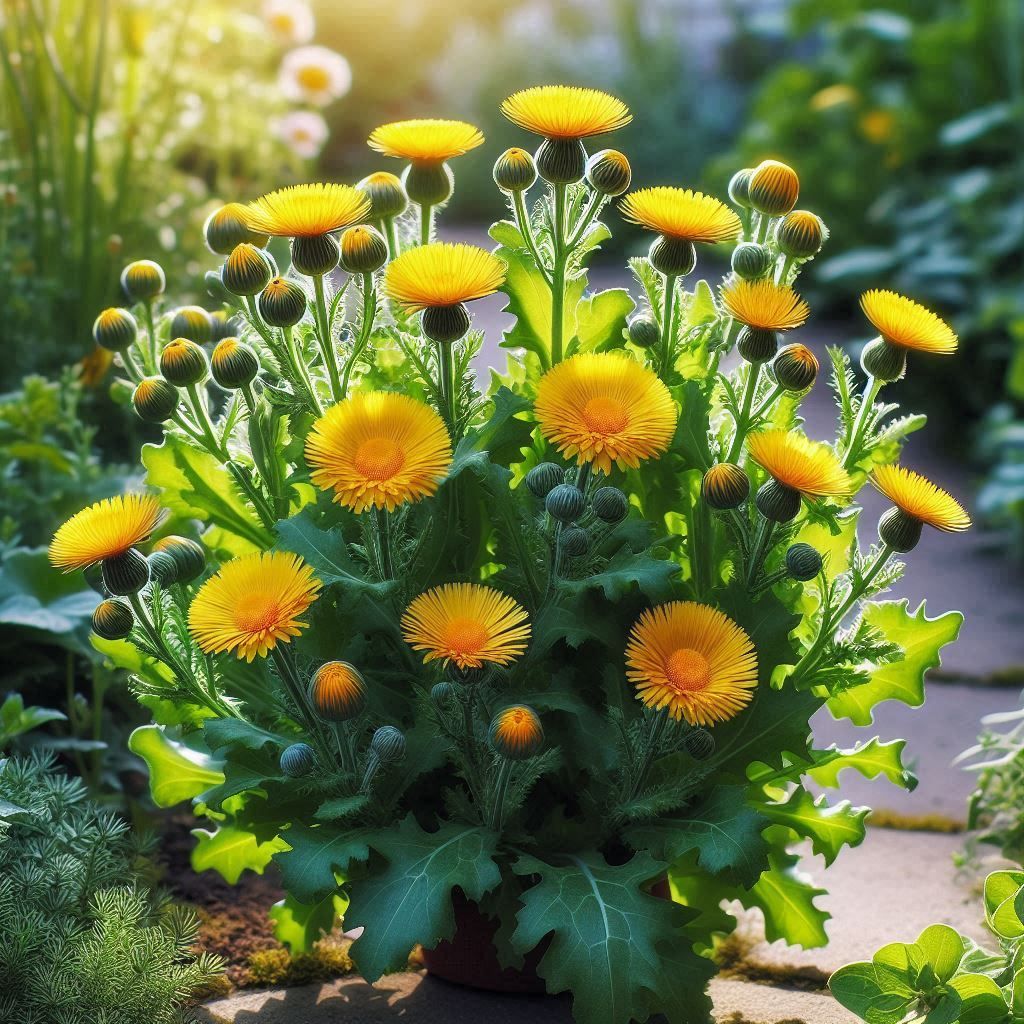
Sonchus schweinfurthii is a flowering plant that belongs to the genus Sonchus, which includes several species commonly referred to as sow thistles. This particular species is characterized by its broad, lobed leaves and bright yellow flowers that bloom in clusters. The plant can grow up to 1 meter tall and is known for its resilience and adaptability to various environmental conditions.

Taxonomy and Classification

Kingdom:  Plantae
Clade:  Angiosperms
Clade: Eudicots
Clade: Asterids
Order: Asterales
Family: Asteraceae
Genus: Sonchus
Species: S. schweinfurthii

Benefits of Sonchus schweinfurthii

1. Nutritional Value

Sonchus schweinfurthii is rich in essential nutrients, making it a valuable addition to the diet. The leaves are edible and can be consumed raw in salads or cooked like spinach. They are a good source of vitamins A, C, and K, as well as minerals such as calcium, iron, and magnesium. Incorporating this plant into your diet can contribute to overall health and well-being.

2. Medicinal Properties

Traditionally, Sonchus schweinfurthii has been used in various herbal remedies. The plant is believed to possess anti-inflammatory, antioxidant, and diuretic properties. It has been used to treat ailments such as digestive issues, respiratory problems, and skin conditions. While scientific research on its medicinal benefits is still limited, the historical use of this plant in traditional medicine suggests it may have therapeutic potential.

3. Ecological Benefits

Sonchus schweinfurthii plays a role in supporting local ecosystems. As a flowering plant, it provides nectar and pollen for pollinators such as bees and butterflies. Additionally, its deep root system helps prevent soil erosion and improves soil health by enhancing organic matter content.

4. Soil Improvement

The presence of Sonchus schweinfurthii in agricultural systems can improve soil quality. Its roots help aerate the soil, allowing for better water infiltration and root growth of other plants. Moreover, the plant can contribute to nutrient cycling, enriching the soil with organic matter as it decomposes.

Uses of Sonchus schweinfurthii

1. Culinary Uses

The leaves of Sonchus schweinfurthii can be harvested and used in various culinary applications. Here are some popular ways to incorporate this plant into your meals:

Salads: Young leaves can be added to salads for a nutritious and flavorful boost.
Soups and Stews: Cooked leaves can be included in soups and stews, providing a unique taste and texture.
Pesto: Blend the leaves with nuts, garlic, and olive oil to create a delicious pesto sauce.

2. Ornamental Uses

With its vibrant yellow flowers and attractive foliage, Sonchus schweinfurthii can also be used as an ornamental plant in gardens. It can add color and interest to flower beds, borders, and wildflower gardens. Additionally, its ability to thrive in various conditions makes it a low-maintenance option for gardeners.

3. Traditional Medicine

In some cultures, Sonchus schweinfurthii is used in traditional medicine practices. The leaves and roots may be prepared as infusions or poultices to address various health issues. However, it is essential to consult with a healthcare professional before using any plant for medicinal purposes.

Growing Sonchus schweinfurthii: Tips and Techniques

If you’re interested in cultivating Sonchus schweinfurthii, here are some essential tips to ensure successful growth:

1. Choosing the Right Location

Sonchus schweinfurthii thrives in full sun to partial shade. Select a location in your garden that receives at least 6 hours of sunlight per day. The plant prefers well-drained soil but can tolerate a range of soil types, including sandy and clay soils.

2. Soil Preparation

Before planting, prepare the soil by removing any weeds and debris. Loosen the soil to a depth of at least 12 inches and mix in organic matter, such as compost, to improve soil fertility and drainage.

3. Planting

You can propagate Sonchus schweinfurthii from seeds or by division. If using seeds, sow them directly in the garden in the spring or fall. Space the seeds about 12 inches apart to allow for adequate growth. If dividing established plants, do so in the spring or fall, ensuring each division has a healthy root system.

4. Watering

While Sonchus schweinfurthii is drought-tolerant once established, regular watering is essential during the initial growth phase. Water the plants deeply but infrequently to encourage deep root development. Avoid overwatering, as this can lead to root rot.

5. Fertilization

To promote healthy growth, consider applying a balanced fertilizer in the spring. Organic options, such as compost or well-rotted manure, can also provide essential nutrients without the risk of chemical buildup in the soil.

6. Pest and Disease Management

Sonchus schweinfurthii is generally resistant to pests and diseases. However, keep an eye out for common garden pests such as aphids and slugs. If you notice any infestations, treat them promptly with organic pest control methods, such as insecticidal soap or neem oil.

7. Harvesting

You can begin harvesting the leaves of Sonchus schweinfurthii once the plant is well-established and has produced a sufficient number of leaves. Harvest the outer leaves first, allowing the inner leaves to continue growing. Be sure to leave enough foliage for the plant to thrive.

Conclusion

Sonchus schweinfurthii is a versatile and beneficial plant that offers a range of uses, from culinary applications to ecological contributions. Its nutritional value and potential medicinal properties make it a valuable addition to any garden or diet. By following the growing tips outlined in this guide, you can successfully cultivate this remarkable plant and enjoy its many benefits.

Whether you’re a seasoned gardener or a beginner, Sonchus schweinfurthii is worth considering for your garden. Embrace the beauty and utility of this unique plant, and enjoy the rewards it brings to your life.
Healing Herbs: Nature’s Remedies for Wellness: The Kenyan Herbalist

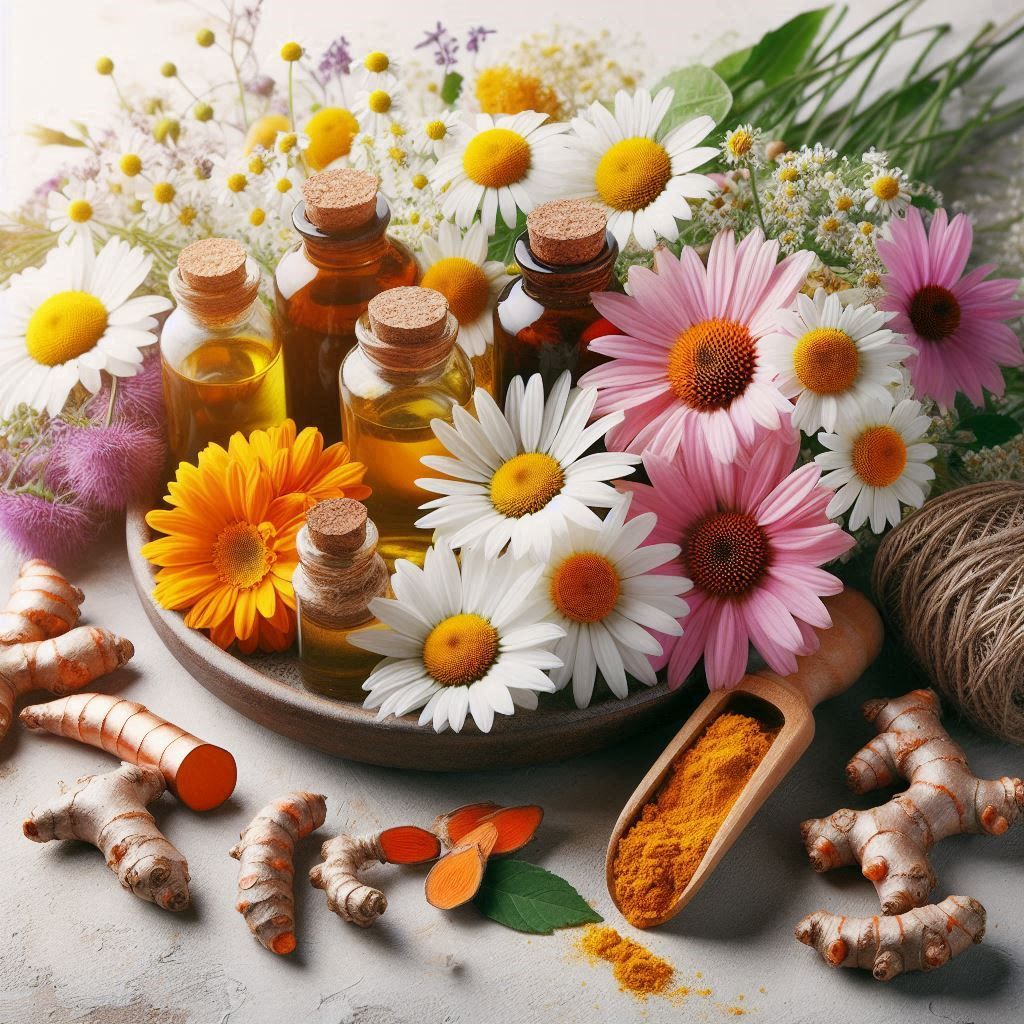
The world of healing herbs is a rich tapestry woven from centuries of tradition, cultural practices, and scientific discovery. These plants, often overlooked in our fast-paced, modern lives, hold the key to natural remedies that can enhance our well-being. From soothing teas to potent tinctures, healing herbs offer a plethora of benefits that can support our physical, mental, and emotional health. In this article, we will explore some of the most popular healing herbs, their unique properties, and how they can be incorporated into our daily lives.

Chamomile: The Calming Flower

Chamomile, a delicate flower belonging to the Asteraceae family, has been used for centuries as a natural remedy for various ailments. Its calming effects are perhaps its most well-known attribute. Chamomile tea is a popular choice for those seeking relief from anxiety and stress. The herb contains apigenin, an antioxidant that binds to specific receptors in the brain, promoting relaxation and sleepiness.

Uses of Chamomile

1. Anxiety Relief: Chamomile is often recommended for individuals dealing with anxiety disorders. Drinking chamomile tea or taking chamomile supplements can help reduce feelings of anxiety and promote a sense of calm.

2. Sleep Aid: Many people turn to chamomile before bedtime to help them unwind. Its mild sedative properties can aid in falling asleep faster and improving overall sleep quality.

3. Digestive Health: Chamomile is also known for its ability to soothe digestive issues. It can help relieve symptoms of indigestion, bloating, and gas, making it a great choice after a heavy meal.

4. Skin Care: Chamomile’s anti-inflammatory properties make it beneficial for skin conditions such as eczema and dermatitis. Chamomile-infused oils or creams can help soothe irritated skin.

How to Use Chamomile

Chamomile can be consumed in various forms, including tea, capsules, tinctures, and essential oils. To make chamomile tea, steep dried chamomile flowers in hot water for about 5-10 minutes. For a calming bedtime ritual, consider adding honey or lemon for flavor.

Echinacea: The Immune Booster

Echinacea, a flowering plant native to North America, is widely recognized for its immune-boosting properties. Traditionally used by Native American tribes for medicinal purposes, echinacea has gained popularity in modern herbal medicine as a natural remedy for colds and respiratory infections.

Uses of Echinacea

1. Cold Prevention: Echinacea is often taken at the onset of cold symptoms to reduce their duration and severity. Studies suggest that it may help stimulate the immune system, making it more effective at fighting off infections.

2. Anti-Inflammatory Effects: Echinacea contains compounds that have anti-inflammatory properties, which can be beneficial for conditions like arthritis and other inflammatory diseases.

3. Wound Healing: The herb has been used topically to promote wound healing and reduce the risk of infection. Echinacea ointments can be applied to minor cuts and scrapes.

How to Use Echinacea

Echinacea is available in various forms, including capsules, tinctures, and teas. For cold prevention, it is often recommended to take echinacea at the first sign of symptoms. Follow the dosage instructions on the product label or consult with a healthcare professional for personalized advice.

Turmeric: The Golden Spice

Turmeric, a vibrant yellow spice derived from the Curcuma longa plant, has been used in traditional medicine for centuries, particularly in Ayurvedic and Chinese medicine. Its active compound, curcumin, is responsible for many of its health benefits, particularly its powerful anti-inflammatory and antioxidant properties.

Uses of Turmeric

1. Anti-Inflammatory: Turmeric is renowned for its ability to reduce inflammation in the body. It is often used to manage conditions like arthritis, where inflammation plays a significant role in pain and discomfort.

2. Antioxidant Properties: Curcumin is a potent antioxidant that helps combat oxidative stress, which can lead to chronic diseases such as heart disease and cancer.

3. Digestive Health: Turmeric can aid digestion by stimulating bile production and reducing symptoms of bloating and gas. It is often used in traditional remedies for digestive disorders.

4. Mood Enhancement: Some studies suggest that curcumin may have mood-enhancing properties, potentially helping to alleviate symptoms of depression and anxiety.

How to Use Turmeric

Turmeric can be consumed in various forms, including powder, capsules, and teas. One popular way to enjoy turmeric is by making “golden milk,” a warm beverage made with turmeric, milk (or a milk alternative), and spices like cinnamon and ginger. To enhance absorption, consider adding black pepper, which contains piperine, a compound that increases curcumin’s bioavailability.

Lavender: The Aromatic Healer

Lavender, known for its beautiful purple flowers and soothing fragrance, is a versatile herb with a wide range of therapeutic uses. It has been used for centuries in aromatherapy and traditional medicine to promote relaxation and alleviate stress.

Uses of Lavender

1. Stress Relief: Lavender essential oil is commonly used in aromatherapy to reduce stress and anxiety. Inhaling the scent of lavender can promote relaxation and improve mood.

2. Sleep Aid: Lavender is often used as a natural remedy for insomnia. Placing a sachet of dried lavender flowers under your pillow or using lavender essential oil in a diffuser can create a calming bedtime environment.

3. Pain Relief: Lavender oil can be applied topically to relieve headaches, muscle pain, and joint discomfort. Its anti-inflammatory properties contribute to its effectiveness in pain management.

4. Skin Care: Lavender has antiseptic and anti-inflammatory properties, making it beneficial for minor burns, cuts, and insect bites. Lavender-infused oils or creams can help soothe irritated skin.

How to Use Lavender

Lavender can be enjoyed in various forms, including essential oils, dried flowers, teas, and culinary dishes. For a calming tea, steep dried lavender flowers in hot water for about 5-10 minutes. For aromatherapy, add a few drops of lavender essential oil to a diffuser or mix it with a carrier oil for topical application.

Ginger: The Spicy Healer

Ginger, a flowering plant whose rhizome is widely used as a spice and medicinal herb, has a long history of use in traditional medicine. Its active compounds, including gingerol, are responsible for its numerous health benefits.

Uses of Ginger

1. Digestive Aid: Ginger is well-known for its ability to alleviate nausea and digestive discomfort. It is often used to relieve symptoms of motion sickness, morning sickness during pregnancy, and general digestive issues.

2. Anti-Inflammatory: Ginger has potent anti-inflammatory properties, making it beneficial for conditions like osteoarthritis and rheumatoid arthritis. It can help reduce pain and improve joint function.

3. Immune Support: Ginger’s antioxidant properties can help support the immune system, making it a popular choice during cold and flu season.

4. Pain Relief: Some studies suggest that ginger may help reduce muscle pain and soreness, making it a valuable addition to post-workout recovery routines.

How to Use Ginger

Ginger can be consumed fresh, dried, or in powdered form. Fresh ginger can be added to smoothies, teas, or stir-fries for a spicy kick. Ginger tea is a popular remedy for digestive issues; simply steep fresh ginger slices in hot water for about 10 minutes.

Peppermint: The Refreshing Herb

Peppermint, a hybrid of watermint and spearmint, is known for its refreshing flavor and aroma. It has been used for centuries for its medicinal properties, particularly in digestive health.

Uses of Peppermint

1. Digestive Health: Peppermint is commonly used to relieve symptoms of indigestion, bloating, and gas. Peppermint tea or peppermint oil capsules can help soothe the digestive tract.

2. Headache Relief: The menthol in peppermint has a cooling effect that can help alleviate tension headaches and migraines. Applying diluted peppermint oil to the temples may provide relief.

3. Respiratory Support: Inhalation of peppermint oil can help open up the airways and relieve congestion, making it beneficial for respiratory issues like colds and allergies.

4. Mood Enhancement: The invigorating scent of peppermint can help improve focus and concentration, making it a popular choice for studying or working.

How to Use Peppermint

Peppermint can be enjoyed in various forms, including tea, essential oil, and fresh leaves. To make peppermint tea, steep fresh or dried peppermint leaves in hot water for about 5-10 minutes. For aromatherapy, add a few drops of peppermint essential oil to a diffuser or inhale directly from the bottle for a quick energy boost.

Conclusion

The world of healing herbs is vast and diverse, offering a wealth of natural remedies for various health concerns. From the calming effects of chamomile to the immune-boosting properties of echinacea, each herb has its unique benefits and uses. Incorporating these healing herbs into your daily routine can enhance your overall well-being and provide a natural alternative to conventional medicine.

As with any herbal remedy, it is essential to consult with a healthcare professional before starting any new supplement or treatment, especially if you have underlying health conditions or are taking medications. By embracing the power of healing herbs, you can tap into nature’s wisdom and support your journey toward optimal health.

Understanding the Role of Traditional Healers in Kenyan Culture: The Kenyan Herbalist

In the heart of Africa, where the sun rises over vast savannahs and the air is filled with the sounds of nature, lies a rich tapestry of culture and tradition. Among the many threads that weave this intricate fabric is the vital role of traditional healers in Kenyan society. These healers, often referred to as “witch doctors,” “medicine men,” or “traditional medicine practitioners,” are not just relics of the past; they are integral to the health and well-being of many communities across Kenya. In this article, we will explore the fascinating world of traditional healing, its significance in Kenyan culture, and how it coexists with modern medicine.

The Historical Context of Traditional Healing

To truly appreciate the role of traditional healers in Kenya, we must first delve into the historical context. Traditional healing practices have been part of African culture for centuries, predating colonialism and the introduction of Western medicine. These practices are deeply rooted in the beliefs, customs, and spiritual understandings of various ethnic groups in Kenya.

Traditional healers often possess extensive knowledge of local herbs, plants, and natural remedies. This knowledge has been passed down through generations, often through oral traditions. In many communities, healers are revered figures, seen as custodians of ancient wisdom and spiritual guides. They play a crucial role in maintaining the health of their communities, addressing not only physical ailments but also emotional and spiritual issues.

The Role of Traditional Healers

Healing the Body, Mind, and Spirit

One of the most significant aspects of traditional healing in Kenya is its holistic approach. Traditional healers believe that health is not merely the absence of disease but a state of balance between the body, mind, and spirit. This perspective is particularly important in a culture where spirituality is intertwined with daily life.

When a patient seeks the help of a traditional healer, the healer often conducts a thorough assessment that goes beyond physical symptoms. They may ask about the patient’s emotional state, family dynamics, and spiritual beliefs. This comprehensive approach allows healers to identify the root causes of ailments, which may be linked to social or spiritual issues rather than just physical ones.

Herbal Medicine and Natural Remedies

Traditional healers in Kenya are renowned for their knowledge of herbal medicine. They utilize a wide variety of plants, roots, and herbs to create remedies for various ailments. For instance, the use of Aloe Vera for skin conditions, Moringa for nutritional deficiencies, and Ginger for digestive issues are just a few examples of the rich pharmacopoeia that traditional healers draw upon.

The preparation of these remedies is often a ritualistic process, involving prayers and blessings to invoke healing energies. This spiritual aspect of healing is crucial, as it reinforces the belief that health is a gift from the divine. Patients often feel a sense of comfort and connection to their cultural heritage when receiving treatment from traditional healers.

Community and Social Support

Traditional healers also play a vital role in fostering community cohesion. In many Kenyan cultures, health is viewed as a communal responsibility. Healers often serve as mediators in conflicts, advisors in family matters, and sources of support during times of crisis. Their presence in the community helps to strengthen social bonds and promote a sense of belonging.

Moreover, traditional healers often work in tandem with community leaders and elders, reinforcing their status as respected figures. This collaboration ensures that healing practices are culturally relevant and aligned with the values of the community.

The Intersection of Traditional and Modern Medicine

As Kenya continues to modernize, the relationship between traditional healing and modern medicine has become increasingly complex. While some may view traditional healers as outdated, many Kenyans still turn to them for various reasons. This coexistence raises important questions about the integration of traditional and modern healthcare systems.

Bridging the Gap

In recent years, there has been a growing recognition of the value of traditional healing practices. Health professionals and policymakers are beginning to understand that traditional healers can play a complementary role in the healthcare system. This recognition has led to initiatives aimed at bridging the gap between traditional and modern medicine.

For instance, some hospitals in Kenya have started to collaborate with traditional healers, referring patients to them for specific conditions that may respond better to traditional remedies. This collaborative approach not only respects cultural beliefs but also enhances patient care by providing a more comprehensive treatment plan.

Challenges and Misconceptions

Despite the positive strides, traditional healers still face challenges and misconceptions. Some people dismiss traditional healing as superstition or quackery, leading to a lack of trust in these practitioners. Additionally, there are concerns about the safety and efficacy of certain traditional remedies, especially when they are used in place of proven medical treatments.

To address these challenges, education and awareness campaigns are essential. By promoting understanding and respect for traditional healing practices, we can foster a more inclusive healthcare environment that values both traditional and modern approaches.

The Future of Traditional Healing in Kenya

As we look to the future, the role of traditional healers in Kenyan culture is likely to evolve. With the rise of globalization and the influence of Western medicine, traditional healing practices may face pressures to adapt. However, the resilience of these practices is evident in their continued relevance in the lives of many Kenyans.

Preserving Cultural Heritage

One of the most critical aspects of traditional healing is its connection to cultural heritage. As younger generations become more exposed to modern lifestyles, there is a risk that traditional knowledge may be lost. To combat this, efforts must be made to document and preserve traditional healing practices. This can be achieved through community workshops, educational programs, and collaborations with universities and research institutions.

Empowering Traditional Healers

Empowering traditional healers is essential for the sustainability of their practices. Providing them with training in areas such as ethics, patient care, and herbal medicine can enhance their skills and improve patient outcomes. Additionally, recognizing traditional healers as legitimate healthcare providers can help to elevate their status within the healthcare system.

Promoting Research and Collaboration

Research into the efficacy of traditional remedies is crucial for validating their use and ensuring patient safety. Collaborative studies between traditional healers and modern medical practitioners can lead to a better understanding of how these two systems can work together. By sharing knowledge and resources, we can create a more holistic approach to healthcare that respects cultural diversity.

Conclusion

The role of traditional healers in Kenyan culture is a testament to the resilience of indigenous knowledge and practices. These healers are not just practitioners of medicine; they are custodians of culture, community, and spirituality. As we navigate the complexities of modern healthcare, it is essential to recognize and respect the contributions of traditional healers. By fostering collaboration and understanding between traditional and modern medicine, we can create a more inclusive and effective healthcare system that honors the rich cultural heritage of Kenya.

In a world that often prioritizes the new and the modern, let us not forget the wisdom of the past. Traditional healers hold a wealth of knowledge that can enrich our understanding of health and well-being. As we move forward, let us embrace the beauty of this cultural tapestry and the vital role that traditional healers play in the lives of many Kenyans.

A Journey Through Kenya’s Herbal Markets: What to Look For: The Kenyan Herbalist

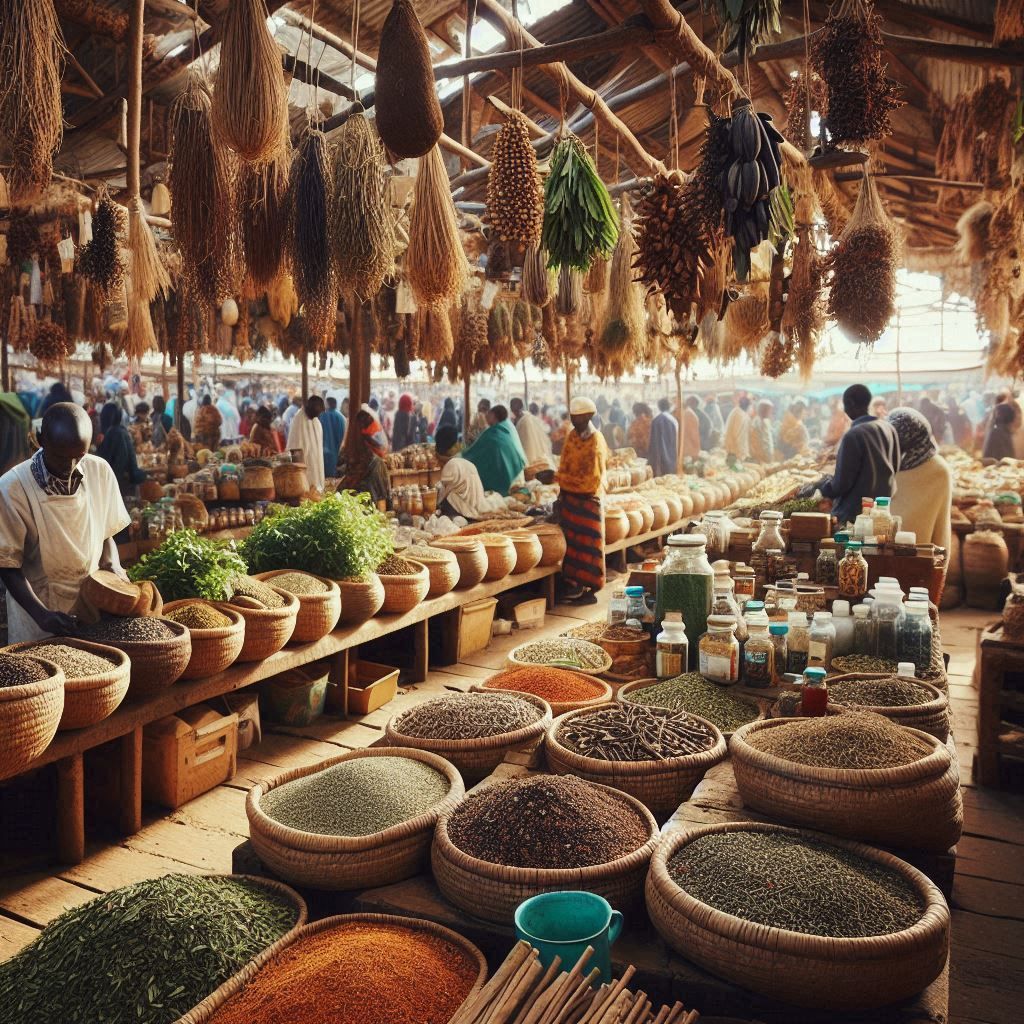
Kenya, a land of breathtaking landscapes and rich cultural heritage, is also home to a vibrant tradition of herbal medicine. The country’s herbal markets are bustling hubs of activity, where the air is thick with the scent of dried herbs, spices, and roots. For those seeking natural remedies or simply curious about the local flora, these markets offer a treasure trove of knowledge and experience. Join us on an exciting journey through Kenya’s herbal markets, where we’ll explore what to look for, the benefits of herbal remedies, and some must-try products.

The Allure of Herbal Markets

Herbal markets in Kenya are more than just places to buy herbs; they are cultural landmarks that reflect the country’s deep-rooted traditions in healing and wellness. From the vibrant stalls of Nairobi’s Kazuri Beads Market to the bustling streets of Mombasa, these markets are alive with the sounds of vendors calling out their wares and the chatter of locals discussing remedies.

Why Herbal Remedies?

Herbal remedies have been used for centuries in Kenya, often passed down through generations. Many Kenyans still rely on these natural solutions for common ailments, believing in their efficacy and the holistic approach they offer. Unlike conventional medicine, which often focuses on treating symptoms, herbal remedies aim to restore balance and promote overall well-being.

What to Look For in Kenya’s Herbal Markets

1. Dried Herbs and Leaves

One of the first things you’ll notice in a Kenyan herbal market is the abundance of dried herbs and leaves. These are often sold in bulk, allowing you to purchase just the right amount for your needs. Some popular herbs to look for include:

Moringa: Known as the “miracle tree,” moringa leaves are packed with nutrients and are believed to boost energy, improve digestion, and support immune function. You can find moringa powder, capsules, or dried leaves.

Sage: Often used for its anti-inflammatory properties, sage is a versatile herb that can be brewed into tea or used in cooking. It’s also believed to enhance memory and cognitive function.

Lemongrass: This fragrant herb is not only a staple in Kenyan cuisine but is also known for its calming effects. Lemongrass tea is a popular remedy for anxiety and digestive issues.

2. Roots and Tubers

Roots and tubers are another essential component of herbal medicine in Kenya. They are often used to create potent tinctures or decoctions. Some notable examples include:

Ginger: Widely recognized for its anti-nausea and anti-inflammatory properties, ginger is a must-have in any herbal market. Look for fresh ginger roots or dried ginger powder.

Turmeric: This vibrant yellow root is celebrated for its powerful antioxidant and anti-inflammatory effects. Turmeric can be found in various forms, including fresh, dried, or as a supplement.

Devil’s Claw: Known for its pain-relieving properties, devil’s claw root is often used to treat arthritis and other inflammatory conditions. It’s typically available in powdered form or as capsules.

3. Essential Oils and Extracts

Essential oils and herbal extracts are increasingly popular in Kenya, thanks to their versatility and therapeutic benefits. When exploring herbal markets, keep an eye out for:

Tea Tree Oil

: Renowned for its antibacterial and antifungal properties, tea tree oil is a must-have for skincare enthusiasts. It can be used to treat acne, dandruff, and minor cuts.

Eucalyptus Oil: This invigorating oil is often used for respiratory issues and can be found in various forms, including pure oil and infused balms.

Neem Oil: Known for its insect-repelling properties, neem oil is a natural remedy for skin conditions and is often used in organic gardening.

4. Herbal Teas

Herbal teas are a delightful way to experience the benefits of Kenyan herbs. Many vendors offer a variety of blends, each with its unique flavor and health benefits. Some popular herbal teas to try include:

Hibiscus Tea: This vibrant red tea is not only visually stunning but also packed with antioxidants. It’s known to help lower blood pressure and improve heart health.

Rooibos Tea: Originating from South Africa but popular in Kenya, rooibos tea is caffeine-free and rich in minerals. It’s often enjoyed for its soothing properties and is a great alternative to traditional black tea.

Chamomile Tea: Renowned for its calming effects, chamomile tea is perfect for those looking to unwind after a long day. It’s often used to promote sleep and reduce anxiety.

5. Traditional Remedies

In addition to herbs and teas, many herbal markets in Kenya offer traditional remedies that have been used for generations. These can include:

Herbal Pastes: Often made from a combination of herbs and oils, these pastes are used for various ailments, including skin conditions and muscle pain. Look for pastes containing ingredients like aloe vera, shea butter, and essential oils.

Infused Oils: Many vendors create their own infused oils using local herbs and plants. These oils can be used for massage, skincare, or as a natural remedy for various ailments.

Powders and Capsules: For those who prefer a more convenient option, many herbal markets offer powdered herbs and capsules. These can be easily incorporated into your daily routine for added health benefits.

Tips for Navigating Herbal Markets

1. Ask Questions

Don’t hesitate to engage with the vendors. They are often knowledgeable about the herbs they sell and can provide valuable insights into their uses and benefits. Ask about the best ways to prepare and consume the herbs, as well as any potential side effects.

2. Look for Quality

When purchasing herbs, look for vibrant colors and strong aromas. Dull colors or a lack of scent may indicate that the herbs are old or of low quality. If possible, buy from reputable vendors who can provide information about the sourcing and processing of their products.

3. Start Small

If you’re new to herbal remedies, it’s wise to start with small quantities. This allows you to experiment with different herbs and find what works best for you without committing to large amounts.

4. Keep an Open Mind

Herbal medicine is a holistic approach to health, and what works for one person may not work for another. Be open to trying different herbs and remedies, and pay attention to how your body responds.

The Cultural Significance of Herbal Markets

Herbal markets in Kenya are not just about commerce; they are a celebration of culture and tradition. Many vendors are part of a long lineage of herbalists, passing down their knowledge and skills through generations. These markets serve as community gathering places, where people come together to share stories, remedies, and experiences.

Supporting Local Communities

By purchasing herbs and remedies from local vendors, you are supporting the livelihoods of these communities. Many herbalists rely on their knowledge of traditional medicine to sustain their families, and your patronage helps preserve this invaluable cultural heritage.

Conclusion: Embrace the Herbal Journey

Exploring Kenya’s herbal markets is an exciting adventure that offers a glimpse into the country’s rich traditions and natural remedies. Whether you’re seeking relief from a specific ailment or simply curious about the local flora, these markets provide a wealth of knowledge and experience. From dried herbs and roots to essential oils and traditional remedies, there’s something for everyone in these vibrant marketplaces.

So, pack your bags, grab your camera, and embark on a journey through Kenya’s herbal markets. You’ll not only discover the wonders of herbal medicine but also connect with the heart and soul of Kenyan culture.