
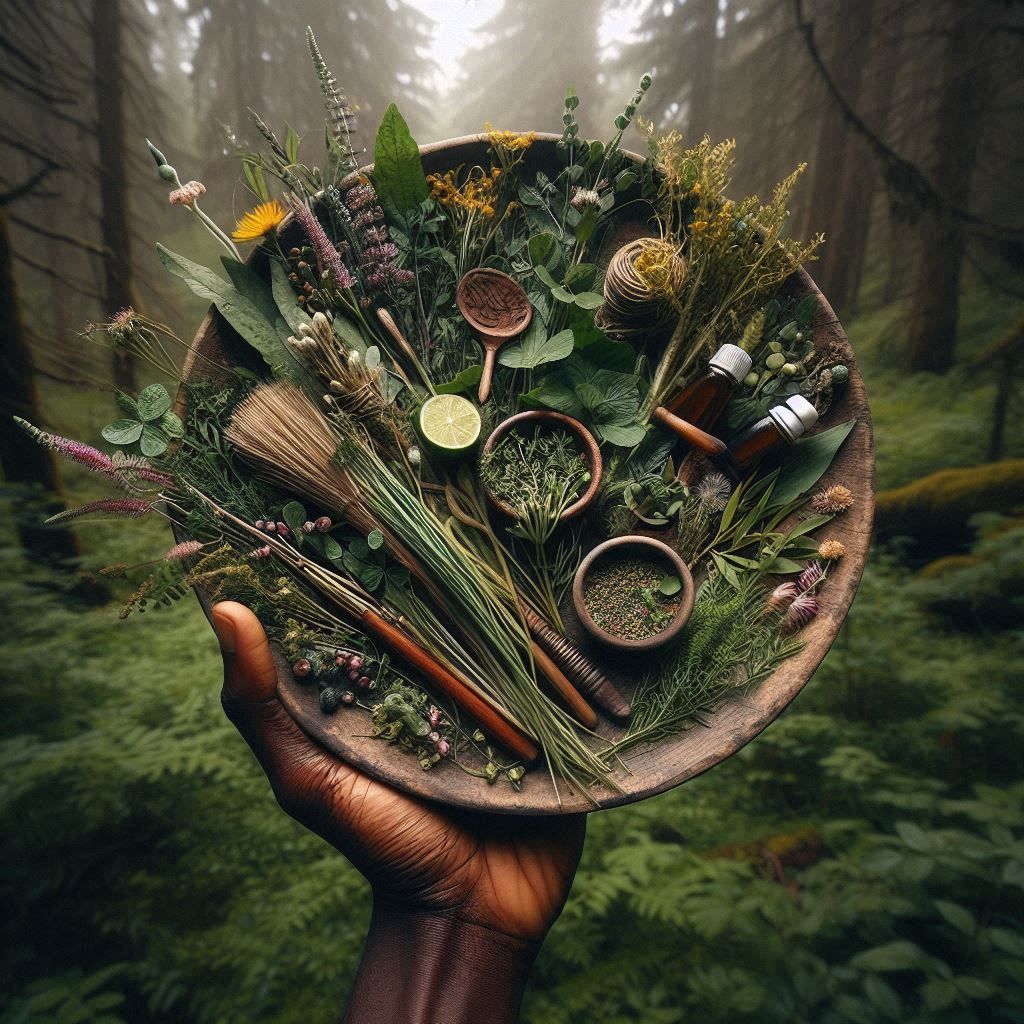
Foraging is more than just a trend; it’s an ancient practice that connects us to nature, our ancestors, and the vibrant ecosystems around us. In Kenya, a country rich in biodiversity and cultural heritage, foraging for wild herbs is not only a way to enhance culinary experiences but also a means to embrace sustainable living. In this article, we will explore the art of foraging wild herbs in Kenya, highlighting the best locations, techniques, and the incredible benefits of incorporating these natural treasures into your life.
Understanding Foraging: A Brief Overview
Foraging is the act of searching for and gathering wild food resources. It encompasses a wide range of plants, including fruits, nuts, mushrooms, and, of course, herbs. In Kenya, foraging is deeply rooted in the traditions of various communities, where knowledge of local flora has been passed down through generations. This practice not only provides food but also fosters a deeper connection to the environment.
Why Forage for Wild Herbs?
1. Nutritional Benefits: Wild herbs are often more nutrient-dense than their cultivated counterparts. They are packed with vitamins, minerals, and antioxidants that can boost your health.
2. Flavor Enhancement: Wild herbs can add unique flavors to your dishes, elevating your culinary creations. Imagine the taste of freshly foraged basil or wild garlic in your favorite recipes!
3. Sustainability: Foraging promotes sustainable living by encouraging the use of local resources. It reduces the carbon footprint associated with commercial farming and transportation.
4. Cultural Connection: Foraging allows you to connect with local traditions and communities, learning about the historical significance of various herbs and their uses.
5. Adventure and Exploration: There’s something exhilarating about wandering through nature, discovering hidden gems, and experiencing the thrill of the hunt.
The Best Locations for Foraging Wild Herbs in Kenya
Kenya boasts a diverse range of ecosystems, from coastal regions to highland forests, each offering unique foraging opportunities. Here are some of the best locations to explore:
1. The Great Rift Valley
The Great Rift Valley is a geological wonder that stretches from the north to the south of Kenya. This area is home to a variety of wild herbs, including:
– African Basil (Ocimum gratissimum): Known locally as “Mchicha,” this herb has a strong aroma and is often used in traditional dishes. It thrives in the warm climate of the Rift Valley.
– Wild Garlic (Allium moly): Found in the grasslands, wild garlic has a milder flavor than cultivated garlic and can be used in salads, soups, and sauces.
2. Mount Kenya Region
The lush forests surrounding Mount Kenya are a treasure trove of wild herbs. Here, you can find:
– Stinging Nettle (Urtica dioica): While it may sting when touched, this herb is packed with nutrients and can be cooked to make a delicious soup or tea.
– Wild Mint (Mentha longifolia): This aromatic herb grows abundantly in the moist areas of the forest. It’s perfect for making refreshing teas or adding to desserts.
3. Coastal Areas
The coastal regions of Kenya, particularly around Mombasa, offer a unique blend of herbs influenced by both African and Arab cultures. Notable finds include:
– Coriander (Coriandrum sativum): Often found growing wild in sandy soils, coriander is a staple in many Kenyan dishes, adding a fresh, citrusy flavor.
– Purslane (Portulaca oleracea): This succulent herb is rich in omega-3 fatty acids and can be used in salads or as a garnish.
4. Savannah and Grasslands
The expansive savannahs of Kenya are home to a variety of wild herbs that thrive in the open sun. Look for:
– Wild Sage (Salvia spp.): Known for its aromatic leaves, wild sage can be used to flavor meats and stews.
– Bitter Leaf (Vernonia amygdalina): This herb is known for its medicinal properties and is often used in traditional medicine. It has a strong, bitter flavor that can be balanced with other ingredients in cooking.
Techniques for Foraging Wild Herbs
Foraging requires a keen eye, patience, and respect for nature. Here are some essential techniques to enhance your foraging experience:
1. Research and Identification
Before heading out, familiarize yourself with the herbs you want to forage. Use field guides, apps, or local foraging groups to learn about the plants in your area. Pay attention to their appearance, habitat, and growth patterns.
2. Timing is Key
The best time to forage for herbs is during their peak growing season, which varies depending on the species and region. Early morning or late afternoon is ideal, as the temperatures are cooler, and the herbs are often more fragrant.
3. Harvest Responsibly
When foraging, always practice sustainable harvesting. Only take what you need, and avoid overharvesting any single plant. Use scissors or shears to cut herbs cleanly, minimizing damage to the plant.
4. Know the Rules
Familiarize yourself with local regulations regarding foraging. Some areas may have restrictions to protect native species and ecosystems. Always seek permission if foraging on private land.
5. Keep a Foraging Journal
Document your foraging adventures in a journal. Note the locations, plants you’ve found, and any recipes you’ve tried. This will help you track your progress and deepen your understanding of local flora.
Culinary Uses of Wild Herbs
Once you’ve successfully foraged wild herbs, the next step is to incorporate them into your cooking. Here are some exciting ways to use your finds:
1. Herb-Infused Oils
Create your own herb-infused oils by combining wild herbs with olive oil. Simply chop the herbs, add them to a jar, and cover with oil. Let it sit for a few weeks to infuse the flavors. Use this oil for drizzling over salads or as a dipping sauce.
2. Wild Herb Pesto
Blend wild basil, garlic, nuts, and olive oil to create a delicious pesto. This versatile sauce can be used on pasta, sandwiches, or as a dip for fresh bread.
3. Herbal Teas
Many wild herbs, such as mint and nettle, make excellent herbal teas. Simply steep the fresh leaves in hot water for a refreshing drink that’s packed with nutrients.
4. Salads and Garnishes
Add wild herbs to salads for a burst of flavor. Purslane, for example, adds a tangy crunch, while wild garlic can elevate the taste of any dish.
5. Soups and Stews
Incorporate wild herbs into soups and stews for added depth. Stinging nettle, for instance, can be blended into a creamy soup, while wild sage can enhance the flavor of meat dishes.
The Health Benefits of Wild Herbs
In addition to their culinary uses, wild herbs offer numerous health benefits. Here are a few examples:
– Antioxidant Properties: Many wild herbs are rich in antioxidants, which help combat oxidative stress and reduce the risk of chronic diseases.
– Anti-Inflammatory Effects: Herbs like bitter leaf and wild garlic have anti-inflammatory properties that can support overall health and wellness.
– Digestive Health: Wild herbs such as mint and purslane can aid digestion and soothe gastrointestinal discomfort.
– Immune Support: The vitamins and minerals found in wild herbs can help boost the immune system, keeping you healthy and resilient.
Conclusion: Embrace the Art of Foraging
Foraging for wild herbs in Kenya is not just a culinary adventure; it’s a journey into the heart of nature. By embracing this ancient practice, you can enhance your meals, connect with local traditions, and promote sustainable living. Whether you’re wandering through the Great Rift Valley, exploring the lush forests of Mount Kenya, or strolling along the coastal shores, the world of wild herbs awaits you.
So, grab your basket, put on your explorer’s hat, and embark on a foraging adventure. Discover the flavors, health benefits, and cultural significance of wild herbs in Kenya. The art of foraging is not just about finding food; it’s about reconnecting with the land and celebrating the beauty of nature. Happy foraging!
 The Kenyan Herbalist