
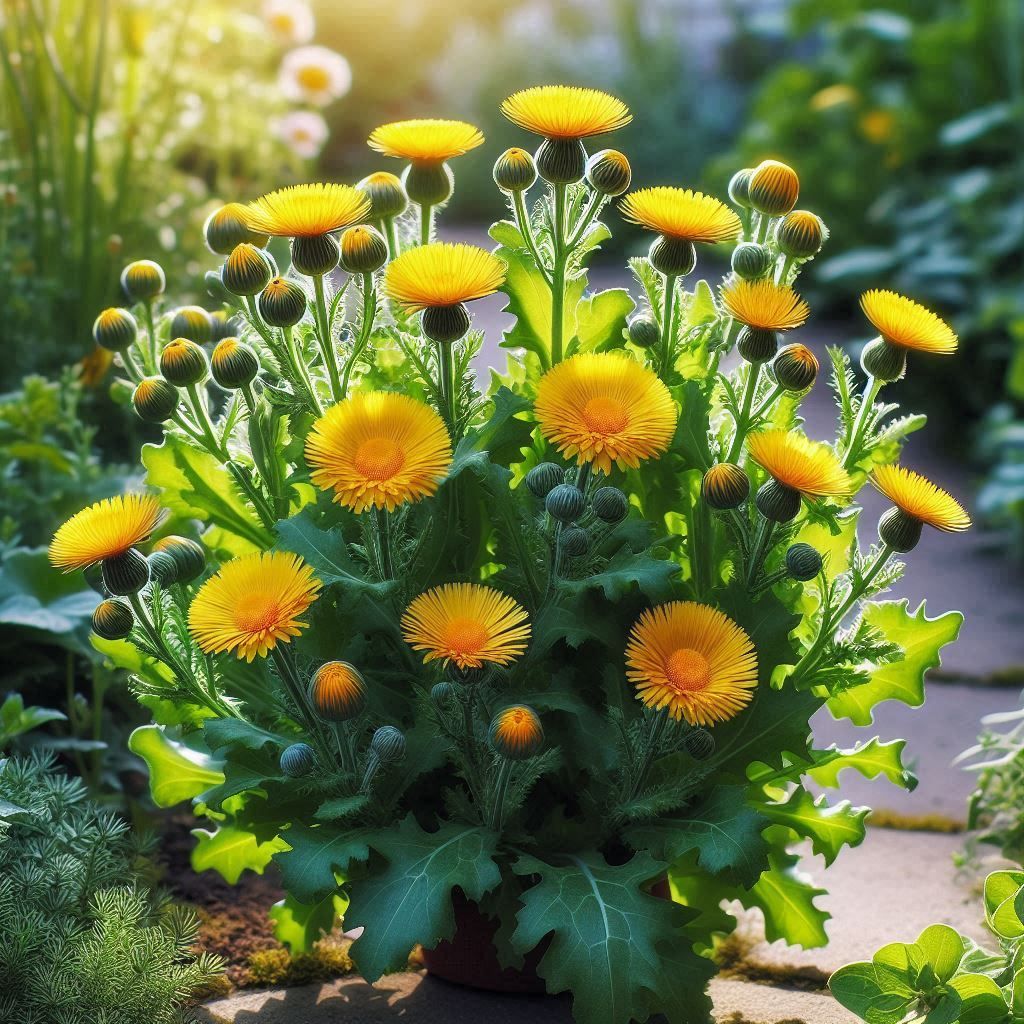
Sonchus schweinfurthii, commonly known as Schweinfurth’s sow thistle, is a fascinating plant that has garnered attention for its unique characteristics and potential benefits. This perennial herb, native to Africa, is part of the Asteraceae family and is often found in various habitats, from grasslands to disturbed areas. In this comprehensive guide, we will explore the benefits, uses, and growing tips for Sonchus schweinfurthii, ensuring you have all the information you need to appreciate and cultivate this remarkable plant.
What is Sonchus schweinfurthii?
Sonchus schweinfurthii is a flowering plant that belongs to the genus Sonchus, which includes several species commonly referred to as sow thistles. This particular species is characterized by its broad, lobed leaves and bright yellow flowers that bloom in clusters. The plant can grow up to 1 meter tall and is known for its resilience and adaptability to various environmental conditions.
Taxonomy and Classification
– Kingdom: Plantae
– Clade: Angiosperms
– Clade: Eudicots
– Clade: Asterids
– Order: Asterales
– Family: Asteraceae
– Genus: Sonchus
– Species: S. schweinfurthii
Benefits of Sonchus schweinfurthii
1. Nutritional Value
Sonchus schweinfurthii is rich in essential nutrients, making it a valuable addition to the diet. The leaves are edible and can be consumed raw in salads or cooked like spinach. They are a good source of vitamins A, C, and K, as well as minerals such as calcium, iron, and magnesium. Incorporating this plant into your diet can contribute to overall health and well-being.
2. Medicinal Properties
Traditionally, Sonchus schweinfurthii has been used in various herbal remedies. The plant is believed to possess anti-inflammatory, antioxidant, and diuretic properties. It has been used to treat ailments such as digestive issues, respiratory problems, and skin conditions. While scientific research on its medicinal benefits is still limited, the historical use of this plant in traditional medicine suggests it may have therapeutic potential.
3. Ecological Benefits
Sonchus schweinfurthii plays a role in supporting local ecosystems. As a flowering plant, it provides nectar and pollen for pollinators such as bees and butterflies. Additionally, its deep root system helps prevent soil erosion and improves soil health by enhancing organic matter content.
4. Soil Improvement
The presence of Sonchus schweinfurthii in agricultural systems can improve soil quality. Its roots help aerate the soil, allowing for better water infiltration and root growth of other plants. Moreover, the plant can contribute to nutrient cycling, enriching the soil with organic matter as it decomposes.
Uses of Sonchus schweinfurthii
1. Culinary Uses
The leaves of Sonchus schweinfurthii can be harvested and used in various culinary applications. Here are some popular ways to incorporate this plant into your meals:
– Salads: Young leaves can be added to salads for a nutritious and flavorful boost.
– Soups and Stews: Cooked leaves can be included in soups and stews, providing a unique taste and texture.
– Pesto: Blend the leaves with nuts, garlic, and olive oil to create a delicious pesto sauce.
2. Ornamental Uses
With its vibrant yellow flowers and attractive foliage, Sonchus schweinfurthii can also be used as an ornamental plant in gardens. It can add color and interest to flower beds, borders, and wildflower gardens. Additionally, its ability to thrive in various conditions makes it a low-maintenance option for gardeners.
3. Traditional Medicine
In some cultures, Sonchus schweinfurthii is used in traditional medicine practices. The leaves and roots may be prepared as infusions or poultices to address various health issues. However, it is essential to consult with a healthcare professional before using any plant for medicinal purposes.
Growing Sonchus schweinfurthii: Tips and Techniques
If you’re interested in cultivating Sonchus schweinfurthii, here are some essential tips to ensure successful growth:
1. Choosing the Right Location
Sonchus schweinfurthii thrives in full sun to partial shade. Select a location in your garden that receives at least 6 hours of sunlight per day. The plant prefers well-drained soil but can tolerate a range of soil types, including sandy and clay soils.
2. Soil Preparation
Before planting, prepare the soil by removing any weeds and debris. Loosen the soil to a depth of at least 12 inches and mix in organic matter, such as compost, to improve soil fertility and drainage.
3. Planting
You can propagate Sonchus schweinfurthii from seeds or by division. If using seeds, sow them directly in the garden in the spring or fall. Space the seeds about 12 inches apart to allow for adequate growth. If dividing established plants, do so in the spring or fall, ensuring each division has a healthy root system.
4. Watering
While Sonchus schweinfurthii is drought-tolerant once established, regular watering is essential during the initial growth phase. Water the plants deeply but infrequently to encourage deep root development. Avoid overwatering, as this can lead to root rot.
5. Fertilization
To promote healthy growth, consider applying a balanced fertilizer in the spring. Organic options, such as compost or well-rotted manure, can also provide essential nutrients without the risk of chemical buildup in the soil.
6. Pest and Disease Management
Sonchus schweinfurthii is generally resistant to pests and diseases. However, keep an eye out for common garden pests such as aphids and slugs. If you notice any infestations, treat them promptly with organic pest control methods, such as insecticidal soap or neem oil.
7. Harvesting
You can begin harvesting the leaves of Sonchus schweinfurthii once the plant is well-established and has produced a sufficient number of leaves. Harvest the outer leaves first, allowing the inner leaves to continue growing. Be sure to leave enough foliage for the plant to thrive.
Conclusion
Sonchus schweinfurthii is a versatile and beneficial plant that offers a range of uses, from culinary applications to ecological contributions. Its nutritional value and potential medicinal properties make it a valuable addition to any garden or diet. By following the growing tips outlined in this guide, you can successfully cultivate this remarkable plant and enjoy its many benefits.
Whether you’re a seasoned gardener or a beginner, Sonchus schweinfurthii is worth considering for your garden. Embrace the beauty and utility of this unique plant, and enjoy the rewards it brings to your life.
 The Kenyan Herbalist